
Heat Pump Defrost Cycles in a Toronto Winter: What Is Normal?
A light layer of frost and a short burst of steam can be normal. A heat pump trapped in solid ice, repeatedly stopping, or losing indoor comfort is a different situation.
8 min read | Updated 2026-08-03
Written and reviewed by the GTA HVAC Pros service team.
Why the outdoor coil frosts
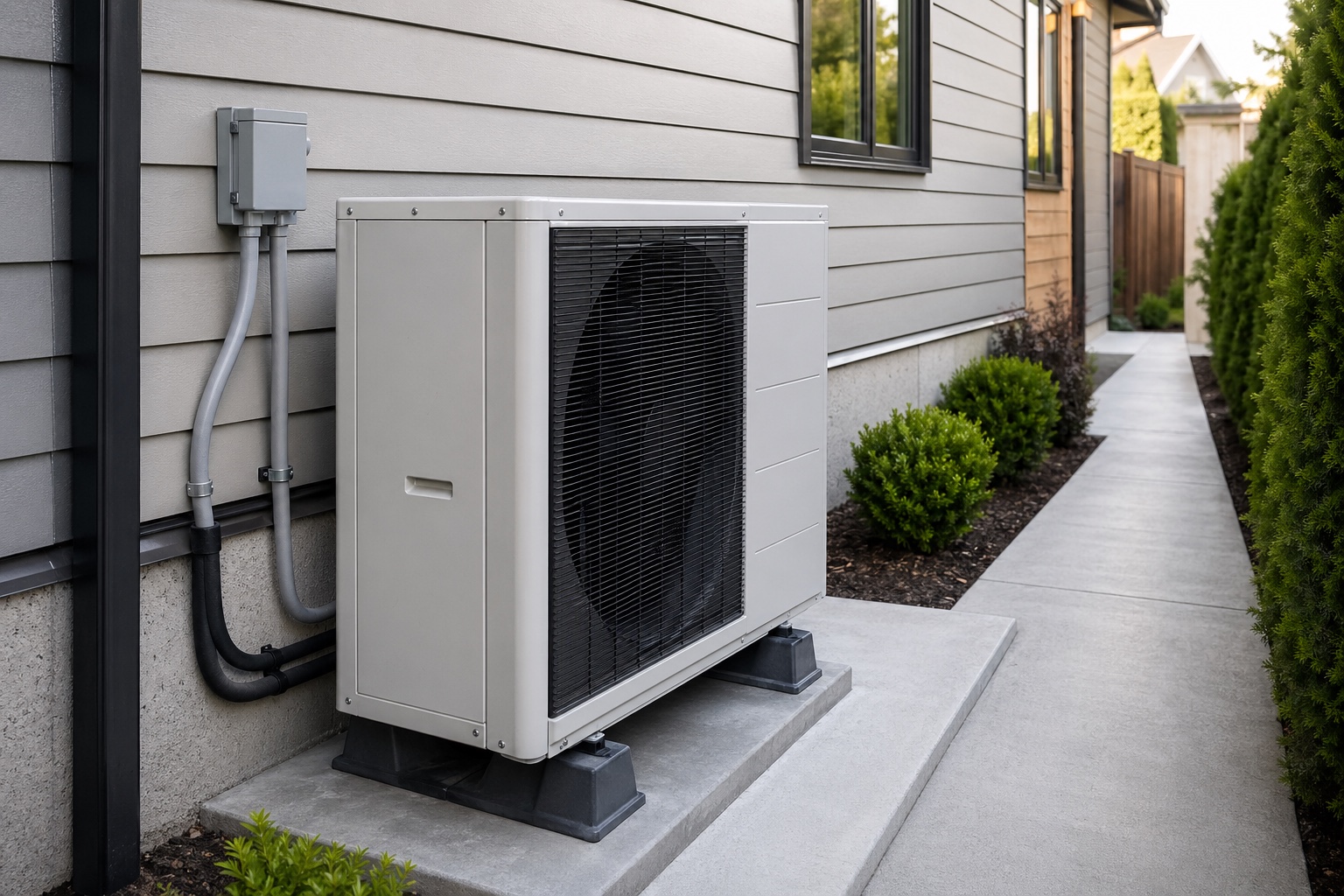
In heating mode, the outdoor coil is cold because the system is pulling heat from outside air. When damp air crosses that coil in near-freezing weather, moisture can condense and freeze. A thin, even layer of frost is therefore not automatically a fault.
The system periodically reverses operation to warm the outdoor coil and melt the frost. The outdoor fan may stop, the equipment sound may change, and a cloud that looks like smoke may rise as water evaporates. That visible steam can be normal during defrost.
What a normal defrost cycle looks like
The cycle should be temporary. Frost clears, water drains away, and the heat pump returns to heating. Depending on the system, indoor controls may reduce cool-air sensation by pausing the indoor fan or using supplemental heat for part of the cycle.
Frequency changes with temperature, humidity, wind, coil condition, and controls. Counting cycles without considering the weather is less useful than watching whether the coil actually clears and indoor temperature recovers.
Ice patterns that deserve a service call
Call when the outdoor unit becomes encased in ice, frost never clears, the fan contacts ice, water repeatedly refreezes around the base, breakers trip, or the home cannot hold temperature. Those symptoms can involve drainage, airflow, sensors, controls, refrigerant performance, installation, or a failed component.
Do not chip ice from the coil or pour boiling water over the unit. Thin coil fins and refrigerant components can be damaged, and the underlying cause will remain.
Snow clearance and drainage matter
Keep drifting snow, leaves, and stored items away from the manufacturer-required airflow area. The unit should sit high enough and drain in a way that does not build a block of refrozen defrost water beneath the coil.
If the installation repeatedly creates an ice base, the mounting height, drainage, roof runoff, prevailing wind, and defrost operation should be reviewed together rather than treating the ice as a housekeeping problem.
Backup heat is part of the winter plan
Cold-climate heat pumps can operate well below freezing, but available capacity and efficiency change with outdoor temperature. Equipment selection should account for the home’s heat loss and define how existing or supplemental heat supports comfort during low-temperature periods and defrost.
If backup heat runs constantly, never appears when expected, or produces an abrupt change in electricity use, review thermostat staging and system operation with the installer before changing lockout settings yourself.
Sources and methodology
This guide was reviewed against the linked official material. It is general planning information, not a substitute for an on-site diagnosis, manufacturer instructions, emergency response, or a written quote.
- Natural Resources Canada — Heat pump basics
How heat pumps transfer heat, cold-climate operation, system types, and contractor considerations.
- Natural Resources Canada — Heating and cooling with a heat pump
Canadian homeowner guidance on selection, operation, and maintenance.
Related Toronto HVAC guides
Heat Pump Options for Ontario Homes
Heat pumps can be a strong fit, but the best setup depends on the home, ductwork, backup heat, and winter expectations.
HVAC Maintenance Schedule for Ontario Homes
Staying ahead of furnace and AC problems starts with a simple seasonal schedule that most Ontario homeowners can follow.